
Total Sales
Total units multiplied by selling price. This represents the full amount generated from estimated product sales.
Estimate sales, product costs, fundraising expenses, net profit, and the sellers and units your group may need to reach its goal — before you choose a program.
Our fundraising calculator uses the figures entered to produce an estimate. Actual sales, participation, costs, and net profit may vary based on product selection, pricing, shipping, campaign timing, supporter demand, and other variables.
Confirm current product pricing, shipping terms, fulfillment requirements, and program availability before making final decisions.


Total sales show how much money a fundraiser may generate before expenses. They do not show how much the group may keep.
Product costs, shipping, seller prizes, promotional materials, payment fees, and other campaign expenses can reduce the final amount available for the fundraising goal. Our calculator separates the main financial components.
Total units multiplied by selling price. This represents the full amount generated from estimated product sales.
Total units multiplied by cost per item. This represents the estimated amount required to purchase or produce the units sold.
Total sales minus total product cost. Gross profit does not yet include shipping, prizes, or other campaign expenses.
Gross profit minus shipping, prize budget, and other costs. This gives us a clearer view of what may remain for the fundraising goal.
This clearer breakdown helps us evaluate a fundraiser around the amount that may support the actual need, rather than relying on the sales total alone.
The estimate is only as useful as the assumptions behind it. Our calculator uses eight editable inputs to help build a more realistic estimate.
Enter the number of people you realistically expect to participate. Active sellers may include students, athletes, parents, families, volunteers, club members, or team members.
Estimate how many products each active seller may sell. Consider campaign duration, product type, selling price, supporter demand, previous campaign results, seller experience, and available promotion.
Enter the amount supporters will pay for one unit. The selling price affects total sales and the gross profit generated per item.
Enter the amount paid to purchase or produce one unit.
Enter the estimated total shipping or freight cost. Shipping may vary by product, order quantity, destination, and program.
Enter the amount reserved for seller incentives, recognition, or rewards.
Include costs not already covered, such as printed materials, packaging, payment fees, local transportation, event supplies, permits, and promotional costs.
Enter the amount the group wants to retain after the listed expenses.
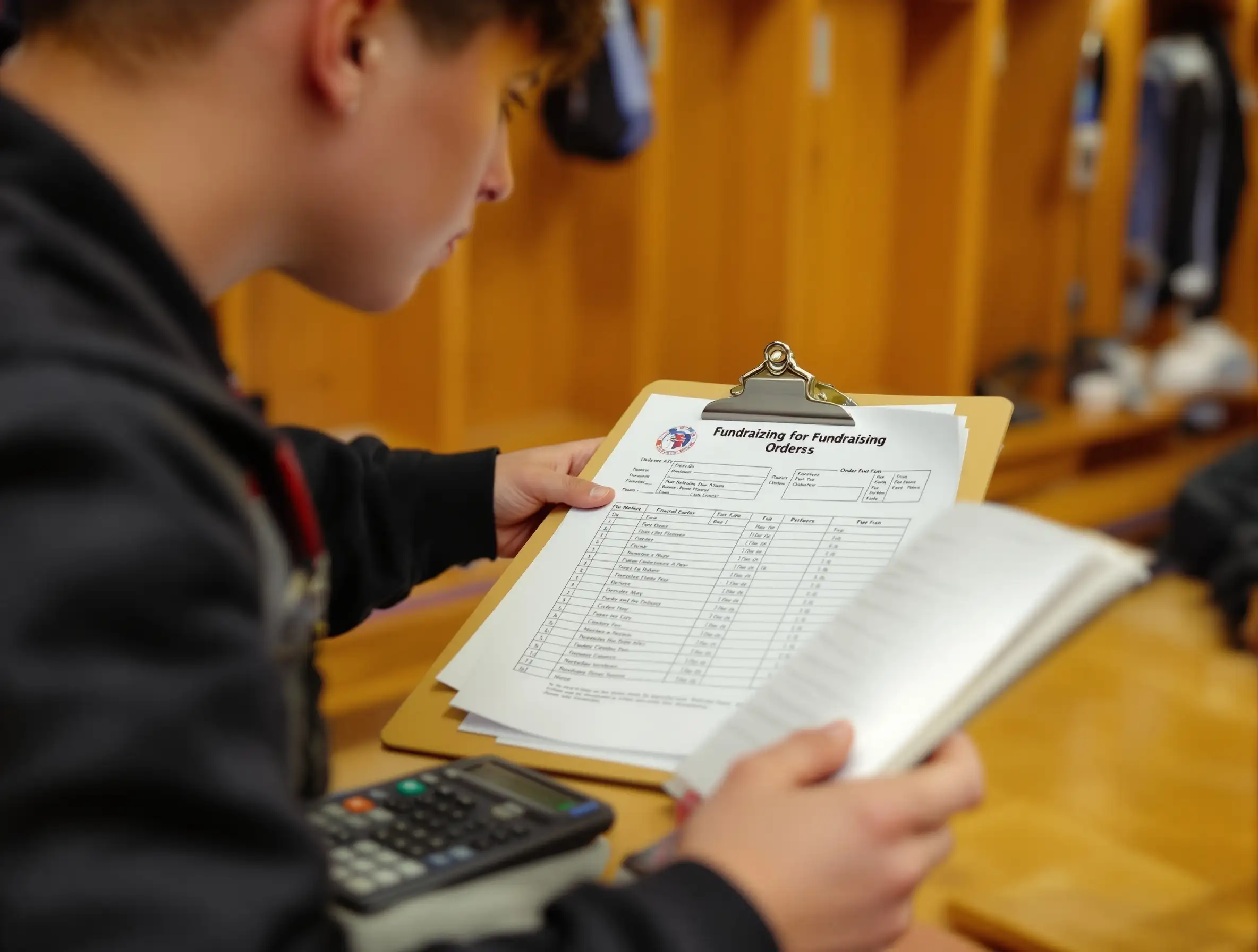
Once the inputs are entered, the calculator converts them into a practical sales and participation estimate.
Active sellers multiplied by average units per seller. This shows the product volume expected from the participation you enter.
Total units multiplied by selling price. This is estimated revenue before costs are subtracted.
Total units multiplied by cost per item. This shows the estimated amount required to cover the products sold.
Total sales minus total product cost. Gross profit does not yet account for shipping, prizes, or other campaign expenses.
Gross profit minus shipping, prize budget, and other costs. This gives us a clearer view of what may remain for the fundraising goal.
This compares estimated net profit with total sales. It can help us compare scenarios, but it should not be treated as a guaranteed program return.
This compares the selling price with the product cost. Because this figure does not include shipping, prizes, or other expenses, it should be reviewed alongside estimated net profit.
We estimate how many units may need to be sold to reach the entered net profit goal after the listed expenses.
We divide the required units by the expected average units per seller. This gives us a practical participation target to discuss with families, students, athletes, volunteers, or club members.

A dollar goal becomes easier to communicate when we translate it into an expected target per person.
Fundraising results can change when participation, unit sales, pricing, product cost, or expenses vary. Testing several scenarios can show which assumptions have the greatest effect on the estimate.
Use fewer active sellers, lower average sales, or higher expected expenses. This provides a cautious estimate when participation is uncertain.
Use the figures you consider most realistic for the group, product, audience, and campaign timeline.
Increase the seller count or average units sold to see how stronger participation may affect estimated net profit.
Our calculator provides a planning estimate rather than a guaranteed result. Actual performance may vary because of:
Review the assumptions, seller targets, unit requirements, and estimated results with school leadership, a committee, volunteers, or team members before committing to a program.
Once the goal, sales target, and expected participation are clear, we can help compare fundraising programs that fit the results.
The right option should fit more than the dollar goal. It should also reflect:
We help schools, PTAs, PTOs, teams, churches, clubs, nonprofits, and community organizations across the United States and Canada plan around practical financial and participation estimates.
Our fundraising calculator helps us estimate:
Total units
Total sales
Product costs
Gross profit
Estimated net profit
Units needed for the goal
Sellers needed for the goal

Start with the calculator, test your assumptions, and use the results to choose a fundraising program that feels manageable for your group.