
Bike Ride Fundraisers Feel Hard to Organize?
A simple, mission-aligned approach to planning a cycling fundraiser that’s easier to run and more effective at raising support.

Why Bike Ride Fundraisers Can Feel Overwhelming
Cycling fundraisers bring people together in powerful ways. They blend physical activity, community connection, and shared purpose—making them a natural fit for nonprofits across the USA and Canada. Yet many event planners find that what begins as an inspiring idea quickly becomes a complex logistical challenge.
Route planning, participant registration, safety coordination, fundraising commitments, volunteer support, communication timelines, and on-the-ground event execution can create a long list of moving pieces. Nonprofits with limited staff or volunteer capacity often feel this pressure acutely.
Read MoreLess
Still, bike ride fundraisers have tremendous potential. When the event is structured clearly and supported with straightforward fundraising tools, they can build community, expand donor reach, and raise meaningful funds—without overwhelming your team.
Fundraising.com has supported nonprofits for more than 25 years. Through that experience, we’ve seen how the right approach, the right communication, and the right fundraising additions can make a bike ride fundraiser easier to plan and more financially effective.
This page will guide you through a balanced, organized method for structuring a cycling fundraiser that fits your mission and team capacity.
A Clear Framework for Planning a Bike Ride Fundraiser
Many nonprofits begin with inspiration but quickly become bogged down in logistics. A simple planning framework keeps the event manageable and mission-aligned.
Below is a practical structure nonprofits use to plan cycling fundraisers with confidence.
1. Start With a Purpose That Resonates
Bike rides work best when anchored in a meaningful cause. Participants want to know why they’re riding and how the funds will support your mission. A strong purpose motivates both riders and donors.
2. Choose a Route That Matches Your Community
Routes don’t need to be long or complex to be effective. Many nonprofits choose family-friendly rides, city loops, or scenic paths that encourage participation rather than competition. Simplicity helps widen your audience.
3. Keep the Fundraising Model Straightforward
Cycling fundraisers typically use one of three models:
Per-mile pledges
Flat donation per participant
Sponsor-based fundraising (local businesses or community partners)
The clearer the model, the easier it is for participants to share with donors.
4. Integrate Easy, High-Return Fundraising Add-Ons
Many nonprofits add simple fundraising programs to the event to increase revenue without adding logistical weight. A small product table, an online store, or a pre-event sale can significantly support your financial goals.
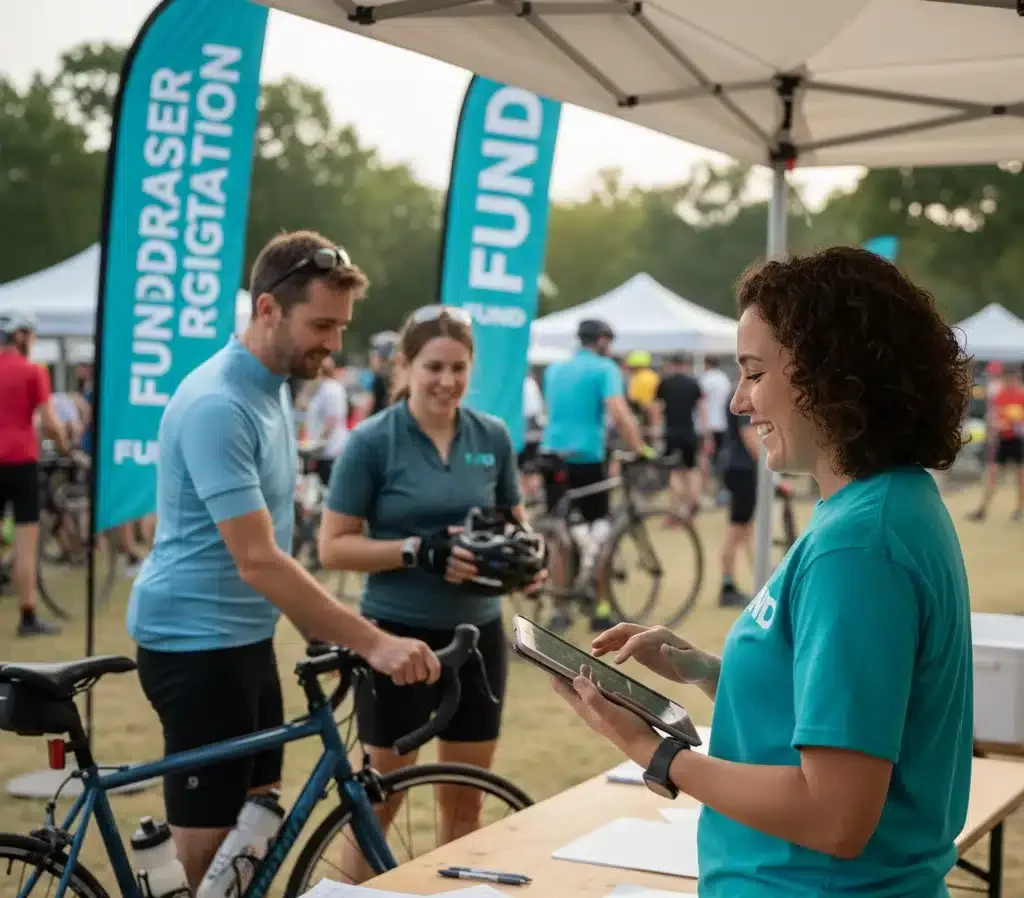
5. Focus on Registration That’s Quick and Accessible
Short forms, easy payment options, and simple instructions help reduce friction. Families and community riders appreciate clarity and convenience.
6. Use a Communication Plan That Supports Without Overloading
Event communications should be light, organized, and easy to follow. Short reminders and mission-focused messaging help participants feel informed without overwhelming them.
This framework gives your team a clear starting point while keeping the event manageable.

Understanding How a Cycling Fundraiser Works
Your secondary keyword—how does a cycling fundraiser work?—reflects the need for clarity. Here is a simple, nonprofit-friendly breakdown of the process.
Step 1: Participants Register
Riders sign up for the event using a form or online registration page. They receive the route details, event time, and fundraising instructions.
Step 2: Riders Raise Funds
Depending on the structure, riders collect:
Flat donations, Per-mile pledges
Sponsorship support, Online contributions from friends and family,
Participants share their mission story, often guided by nonprofit-provided templates.
Step 3: The Ride Takes Place
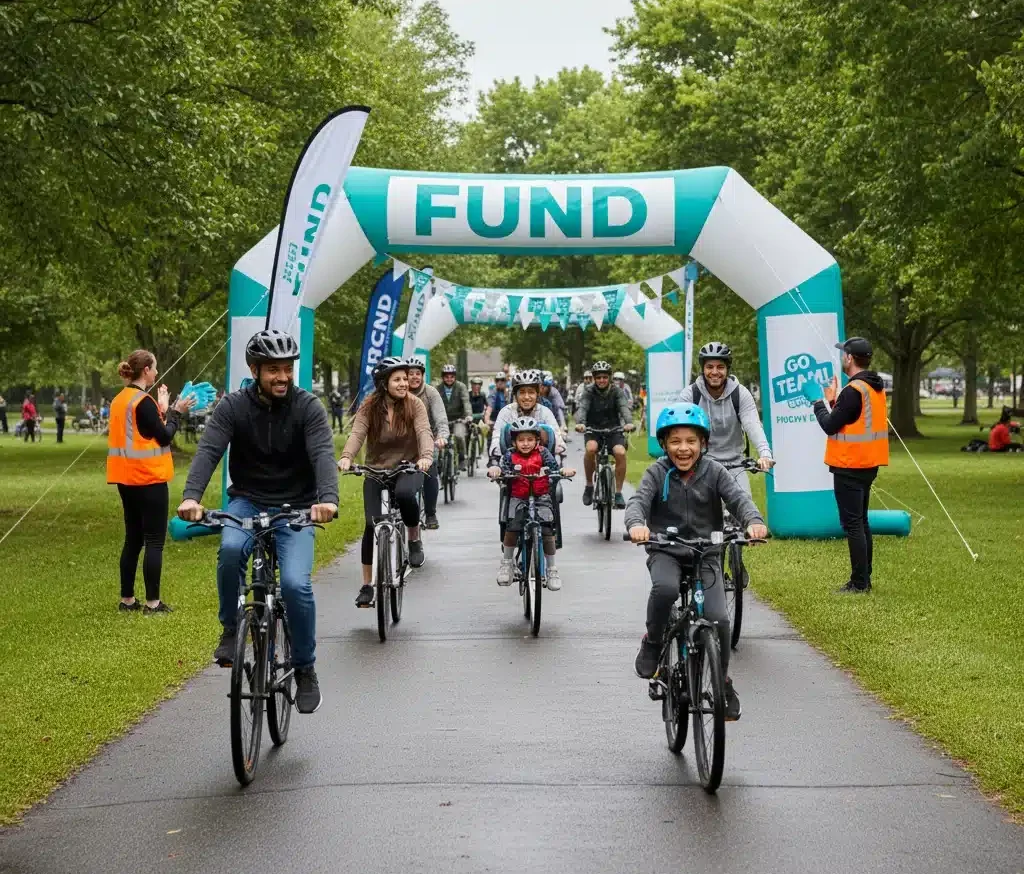
Riders complete the route together. Community elements water stations, volunteers, signage—help support a safe and meaningful experience.
Step 4: Donations Are Processed
Funds collected from riders, sponsors, or donors are submitted to the nonprofit through online portals, event-day stations, or fundraising platforms.
Step 5: The Organization Shares Impact
Post-event communication helps reinforce donor trust and celebrate the community’s effort. Sharing how funds will be used strengthens long-term engagement.
Charity Bike Ride Ideas That Nonprofits Can Run With Confidence
Below are event formats that balance meaningful impact with manageable logistics.
Community Fun Ride
A simple, family-friendly ride that encourages wide participation. Perfect for nonprofits seeking high turnout without competitive pressure.
Mission-Themed Ride
Some organizations host rides tied to a specific issue or awareness effort. Themes help deepen donor connection and strengthen the story behind the ride.
Scenic Route Ride
Using trails, waterfronts, or parks helps attract participants who enjoy leisurely outdoor experiences.
Multi-Distance Ride
Offering short, medium, and long routes allows riders of all levels to participate while still keeping operations under one event umbrella.
Virtual Ride or “Ride Anywhere” Fundraiser
Participants complete miles on their own schedule. This model is ideal for nonprofits with stretched resources and limited volunteer support.
Incorporating Easy Fundraising Tools Into Your Bike Ride
One of the simplest ways to increase the fundraising impact of a bike ride is by integrating product-based fundraising options that require little supporting work. Fundraising.com offers a wide range of products that can be used before, during, or after the event.
Pre-Ride Product Fundraisers
Participants can sell items like popcorn, Katydids, chocolates, or cookie dough in the weeks leading up to the event. This helps raise funds before the ride even begins.
Event Day Product Tables
At the ride itself, nonprofits often set up tables with:
Gummies
Pretzel rods
Beef jerky
Smencils
LEGO fundraising kits
Tumblers or drinkware
These items are easy to display and offer high profit with minimal setup.
Online Fundraising Stores
Online stores let supporters order products directly, ship-to-home, and contribute to the event without requiring volunteers to manage inventory.
This approach helps nonprofits boost revenue in ways that match their capacity.

Addressing Common Challenges Nonprofits Face
Bike ride fundraisers highlight several challenges nonprofits regularly encounter. Addressing them directly creates more thoughtful and effective events.
Logistics Feel Heavy
Route coordination, volunteers, safety checks, and registration can feel overwhelming. Using simple ride formats and predictable fundraising add-ons helps reduce the operational load.
Getting Enough Participants
Participation grows when events are clear, mission-aligned, and easy to join. Short routes and accessible registration encourage wider community involvement.
Aligning the Ride With the Mission
Events grounded in a meaningful purpose create stronger donor engagement. Thoughtful messaging and pre-event communication help reinforce that connection.
Ensuring the Event Raises Enough
Nonprofits want to know their effort will translate into impact. Simple product programs and sponsor partnerships help improve event ROI without adding complexity.
Why Nonprofits Across North America Choose Fundraising.com
Fundraising.com supports nonprofits by offering practical, high-return fundraising options that layer easily into events. Organizations choose us because our programs:
Are simple to implement
Fit seamlessly into mission-driven events
Provide strong profit potential
Work for organizations of all sizes
Require minimal training or volunteer support
Blend well with community gatherings and charity rides
Include detailed support and clear communication
Our approach focuses on clarity, ease, and confidence—helping nonprofits plan events that feel achievable and aligned with their mission.
Building a Cycling Fundraiser That Supports Your Mission
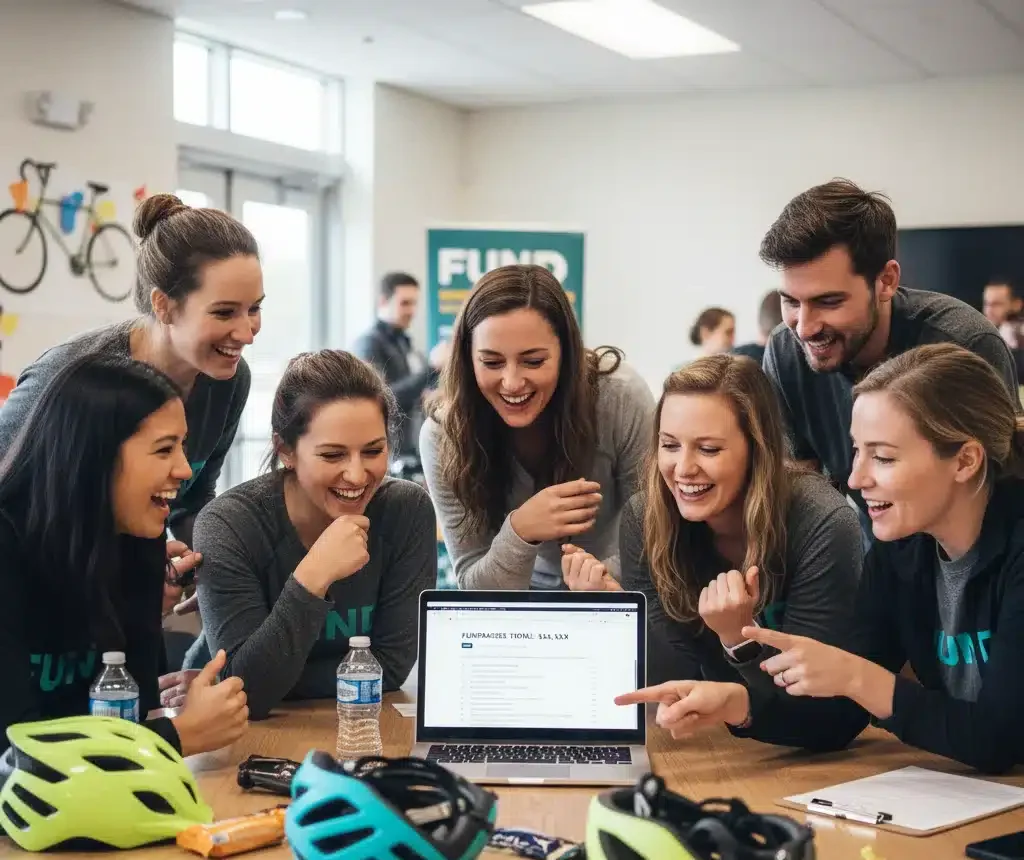
With the right structure, your bike ride fundraiser can bring people together, communicate your mission clearly, and raise meaningful funds. You don’t need complex logistics or large volunteer teams to create an effective event. You need an organized starting point and tools that support your team’s capacity.
By combining straightforward planning with simple fundraising elements, your nonprofit can create a cycling fundraiser that resonates deeply with your community and supports your mission with confidence.
Fundraising.com is here to help you build an event that feels manageable, meaningful, and mission-aligned from start to finish.