
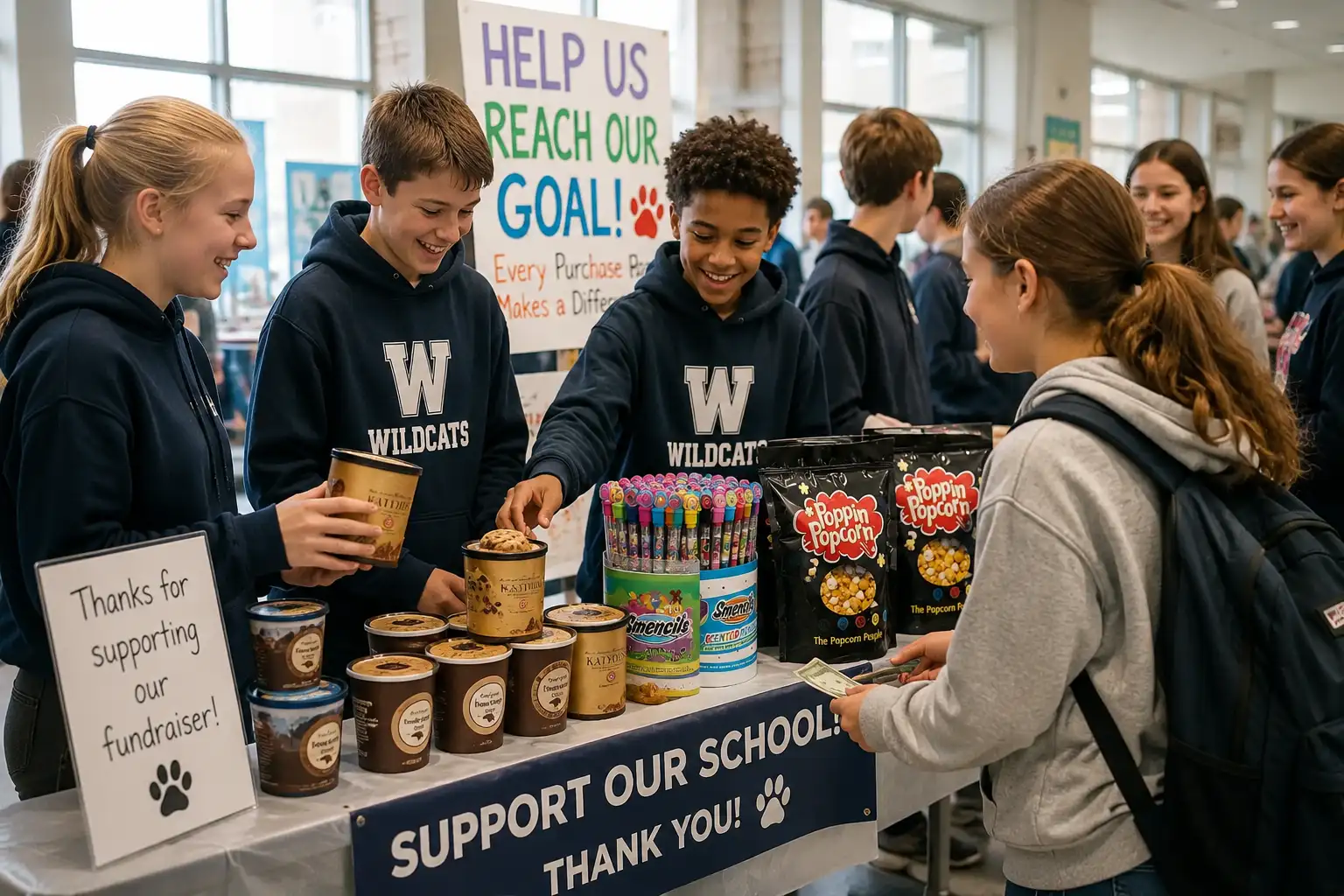
Discover Top Fundraising Ideas for Schools Today
Unlock innovative fundraising ideas to elevate school programs, enhance student experiences, and foster community engagement
If you’re searching for basketball team fundraising ideas, you’re probably trying to close a real budget gap—tournament fees, travel costs, uniforms, equipment upgrades, or gym time that needs to be paid for on a fixed schedule. The frustrating part is that even a solid fundraiser can get messy after kickoff: payments come in from everywhere, participation gets uneven, and one parent ends up tracking everything late at night.
This guide is built for the reality of fundraising for basketball teams. It covers organized, practical options that fit different timelines and volunteer bandwidth, plus a simple way to choose what works for your season. Fundraising.com supports teams across the United States and Canada, which helps when your supporters extend beyond your local community.
Basketball teams usually don’t struggle with effort. They struggle with coordination.
A basketball fundraiser that looks easy on paper can get complicated when:
Families aren’t sure what to do next
Payments happen through multiple channels
Orders need sorting and distribution
The campaign runs too long and loses momentum
The goal isn’t to find a perfect fundraiser. It’s to choose a format that stays manageable as the season gets busy—especially when practices, games, and weekend tournaments take priority.
Before picking from a long list of fundraising ideas for basketball teams, use these three questions to narrow down the best fit.
10–21 days: online-first or low-lift product fundraising
3–6 weeks: product fundraising plus a simple sponsor plan
Weekend-based: an event that can be staffed consistently
Low bandwidth: distribution-light or ship-to-home options
Moderate bandwidth: structured product fundraising with clear deadlines
High bandwidth: events can work well, but require a volunteer plan
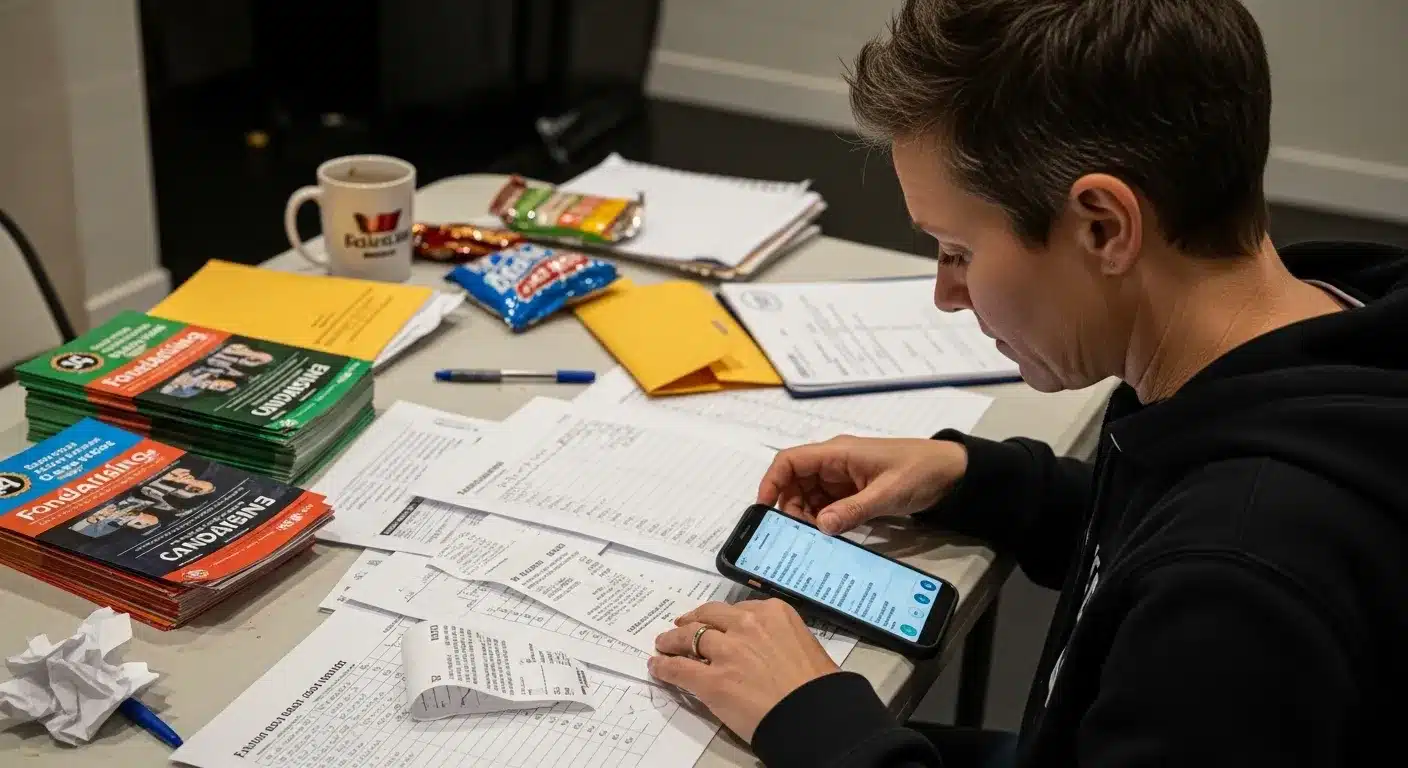
The options below are grouped by how they run so it’s easier to choose based on your team’s capacity.
Product fundraising works well for basketball because the pitch is clear: supporters buy something, and the team earns a portion toward its goal. The structure also tends to be cleaner—deadlines, roles, and a defined close date.
A reliable option for teams with broad supporter networks (coworkers, neighbors, extended family). It runs best with a short selling window and clear communication about timing.
Best for: teams that want a straightforward product with a clean start and end.
Gift-friendly, easy to explain, and a strong choice when you want broad appeal for both youth teams and school programs.
Best for: teams looking for a simple campaign supporters understand quickly.
A good fit when players are motivated and you want faster transactions. It tends to run smoother when you keep the window tight and avoid long reorder cycles.
Best for: teams that want quick selling with fewer steps.
Works well when your community already buys gear—especially around season start, playoffs, or rivalry games. Keep it focused: limited items, clear sizing, one deadline, one delivery plan.
Best for: established programs with strong community visibility.
Why product fundraisers work: predictable structure reduces organizer workload and makes it easier for families to participate without confusion.
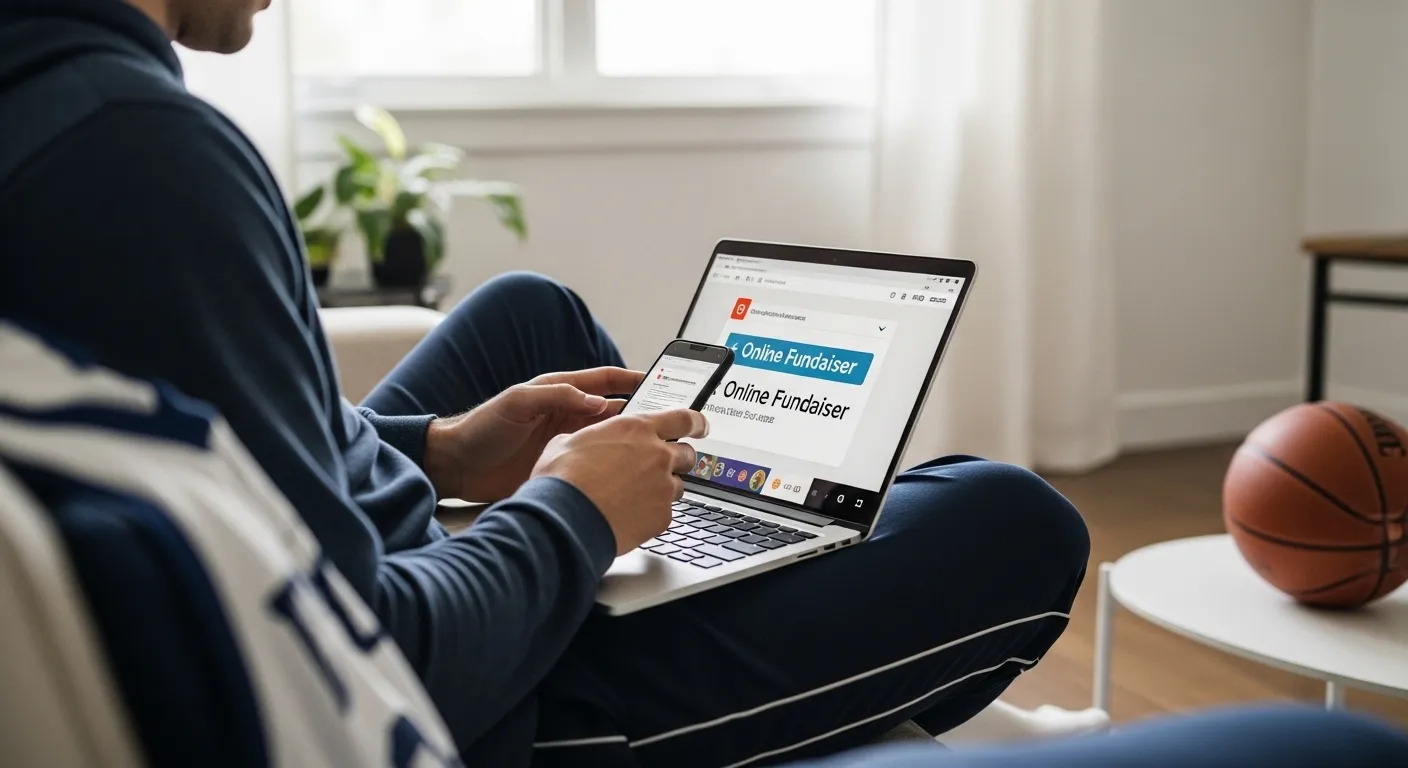
Online-first fundraising is a strong fit when supporters are spread out (common across the U.S. and Canada) or when you want fewer handoffs and less cash handling.
Keep the goal specific: travel to regionals, tournament fees, or uniform scholarships. Specific goals are easier for supporters to understand and support. One mid-campaign update is often enough to maintain momentum.
Best for: fast fundraising needs with minimal distribution.
Works well when the message is consistent and easy to share. Give families a simple script and a shared team goal so the effort feels collective.
Best for: teams that want quick participation without heavy admin.
If distribution day is the biggest pain point, ship-to-home options reduce sorting, storage, and scheduling issues. It also expands reach when supporters live in different regions.
Best for: teams with limited volunteer bandwidth or out-of-area supporters.
Why online-first works: fewer manual steps typically means less burnout and more consistent participation through the finish.
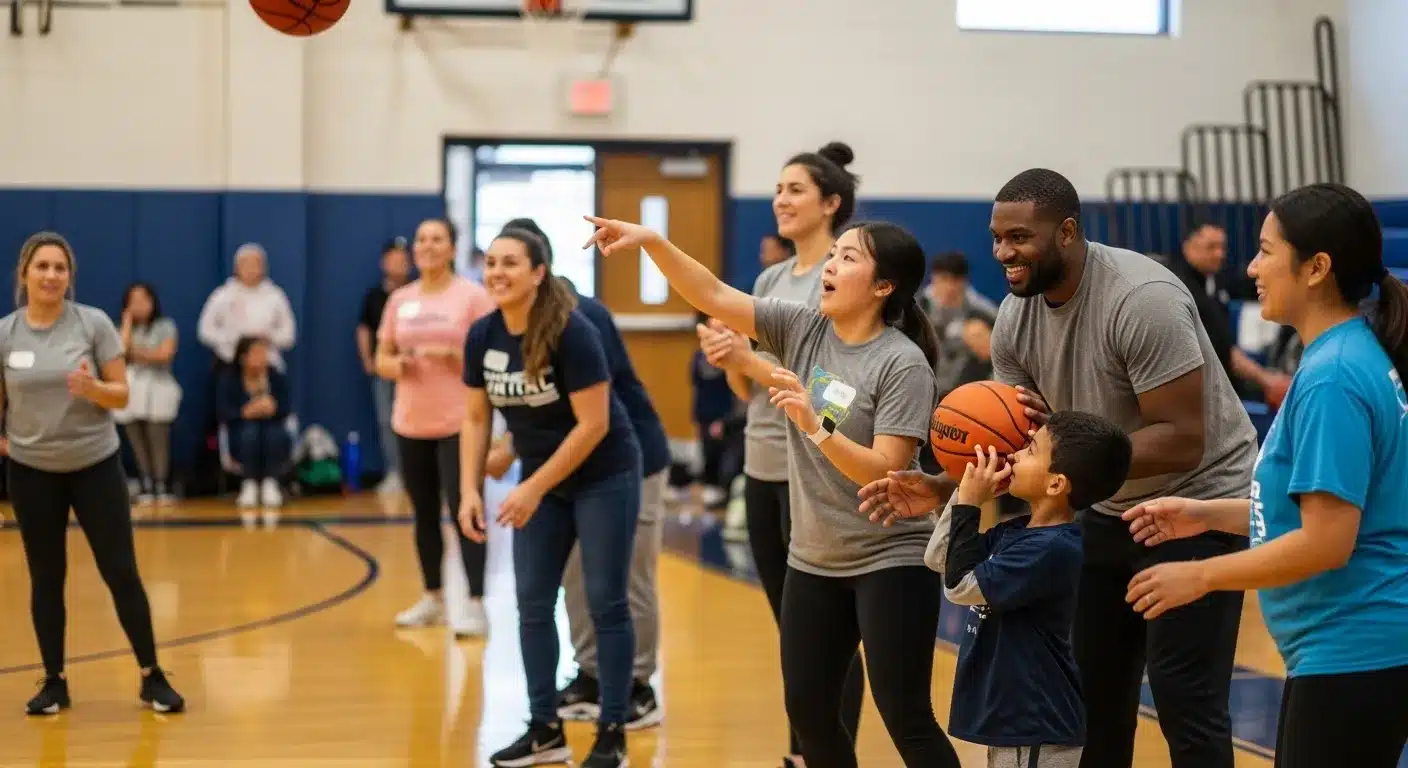
Events can be effective when you have volunteers to staff them and a clear plan for payments and timing. They work best when paired with an online option for supporters who can’t attend.
A classic for basketball because it’s easy to understand and easy to promote. Pledge-based formats also give players a clear role beyond selling.
Best for: building momentum and team participation without inventory.
Run a clinic for younger players (or a shooting clinic) led by coaches and older athletes. Keep registration simple and cap attendance to protect quality.
Best for: programs that want fundraising plus local goodwill.
Pick a home game, add concessions or a merch table, and include an online donation option for alumni and supporters who can’t attend.
Best for: schools/clubs with reliable attendance and predictable facilities.
Why events work: visibility is high, but success depends on keeping scope tight and roles clear.
If your team needs meaningful dollars—travel, tournaments, training gear—sponsorship can close the gap. The key is keeping sponsor packages simple and easy to fulfill.
Limit tiers and make fulfillment realistic:
Logo placement on a team page or flyer
Sponsor recognition at a clinic or tournament
A short, scheduled set of thank-you posts
Banner placement at a single event
Best for: teams with a few parents comfortable reaching out to local businesses.
Ask local businesses to run a short “round up your purchase” window. This works best with a clear timeframe and a simple one-page handout.
Best for: teams with strong community relationships and a tight timeline.
Why sponsorship helps: it scales revenue without relying on every family selling at the same level—especially when paired with a core fundraiser.
Most teams see better results with shorter campaigns. The goal is to keep momentum and avoid the “we’ll extend it another week” drift that often lowers participation.
A clean close is what makes the fundraiser easier to repeat next season.
Basketball fundraising runs smoother when it’s structured, easy to explain, and simple to manage alongside a busy season. Most teams run into the same predictable challenges—tracking, coordination, and logistics—especially when multiple families are involved.
Fundraising.com supports teams across the United States and Canada with fundraising options designed to fit different timelines and team sizes, including online-friendly approaches that reduce manual work. The practical advantage for organizers is structure: clearer setup, simpler sharing, and progress visibility that keeps the campaign organized from kickoff to close.
The easiest options tend to have fewer handoffs: short online donation drives, ship-to-home fundraising, or product fundraisers with clear deadlines and a simple plan.
Higher-yield outcomes often come from structured product fundraising, sponsorship packages, or a combined approach where sponsorship supports a core fundraiser.
Short campaigns (10–21 days) usually perform better when the goal is specific and the participation steps are simple.
Participation holds up when the campaign is short, the message is repeatable, and families don’t have to improvise what to say or do.
Start with your goal, pick a format that matches your team’s capacity, and keep the timeline short enough to maintain momentum. When the campaign is easier to track and simpler for families to participate in, results are easier to repeat next season.
Fundraising.com
11320 State Route 9 #701065, Champlain, NY 12919
info@fundraising.com
1.800.443.5353
Related Posts
Unlock innovative fundraising ideas to elevate school programs, enhance student experiences, and foster community engagement

If you’ve ever led PTO fundraising, you already know the hard part isn’t coming up

If you’re responsible for fundraising for football, you’re likely trying to solve a very specific