

If you’ve ever helped run youth sports fundraising, you already know the hard part isn’t finding ideas. It’s keeping everything organized once the season gets busy—payments coming in from different places, families asking questions at practice, and one volunteer stuck updating a spreadsheet late at night.
This guide focuses on youth sports fundraising ideas that are realistic for real teams. You’ll find options that fit different timelines, budgets, and volunteer capacity—plus a simple way to choose the right fundraiser without overcomplicating the season. Fundraising.com supports teams across the United States and Canada, which is especially helpful when supporters are spread out across cities, provinces, or states.
Most fundraising plans start strong. Then the practical challenges show up:
Families are juggling schedules and forget to follow up.
Coaches don’t have time to manage details between games.
Payments come in through multiple channels.
Delivery and distribution can turn into a mini logistics project.
The solution isn’t a “perfect” fundraiser. It’s a fundraiser with fewer moving parts—and a setup that makes tracking, communication, and timelines easier to manage from day one. That’s where an online workflow can help, especially when teams want clearer visibility into progress without adding admin tasks.
Before picking from a long list of options, decide what matters most for your team. These three questions narrow things down quickly:
10–21 days: choose online-first or streamlined product fundraising
3–6 weeks: choose product fundraising + a simple sponsor plan
Weekend-focused: choose an event that can run with defined volunteers
Low volunteer bandwidth: prioritize distribution-light or ship-to-home options
Moderate bandwidth: choose a product fundraiser with a clear schedule
High bandwidth: events and tournaments can work well, but require staffing
Travel and tournament budgets usually require higher-yield formats. Uniforms and equipment can be funded through a shorter campaign, especially when participation is consistent.
Below are practical ideas grouped by how they run. The goal is to make it easy to choose based on your timeline and team capacity—not overwhelm you with options.
Product fundraising works well for youth sports because it’s easy to explain: supporters buy something, and the team earns a portion toward its goal.
A reliable option when families can sell through coworkers, neighbors, and extended networks. It tends to perform best with:
a short selling window
clear pickup or shipping expectations
one or two designated coordinators for communication
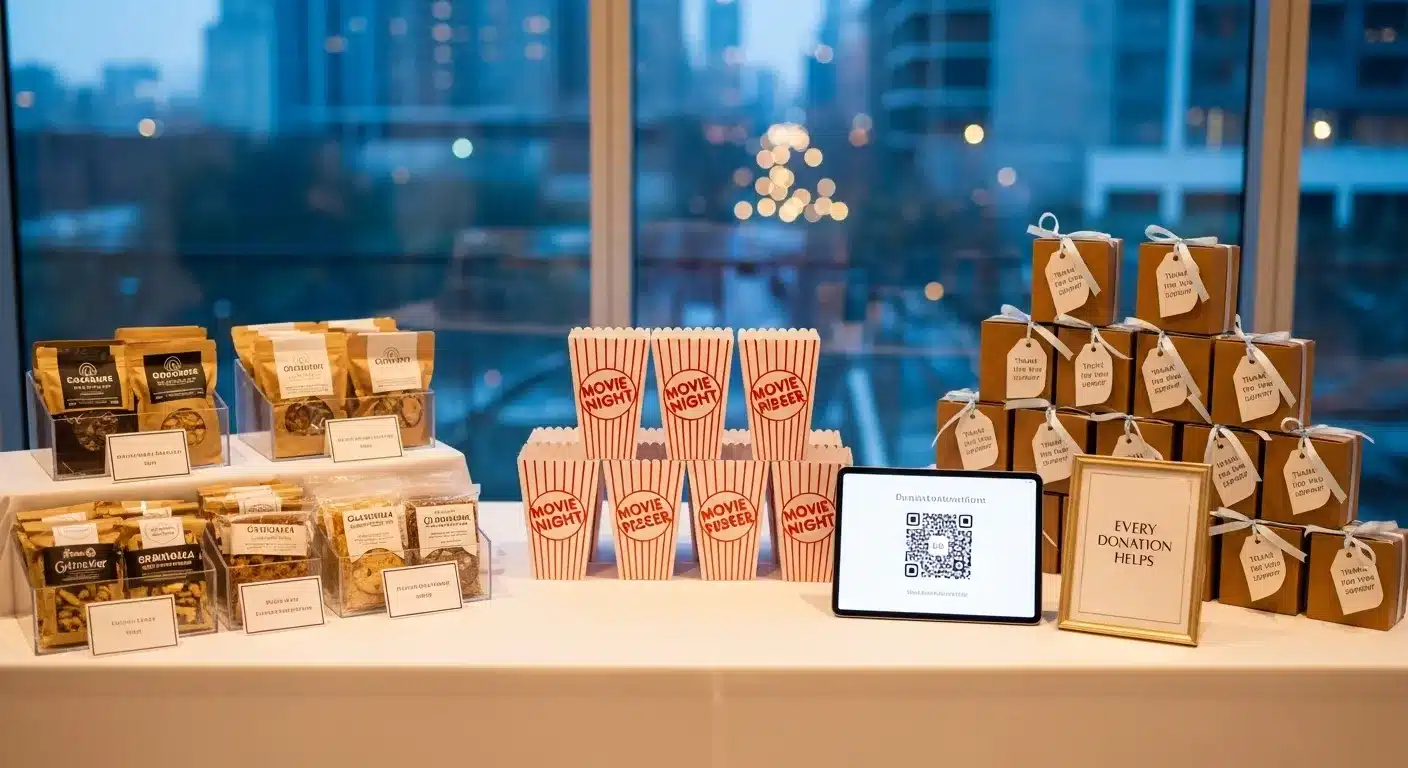
Popcorn is gift-friendly and often works across a wide age range. It’s a strong fit when teams want a product that supporters understand quickly.
Direct-sell options can reduce complexity when players are motivated and the team wants faster transactions. It’s typically easier to run when you avoid multiple reorder cycles and keep the timing tight.
Spirit wear works best when your club community is active and families already want gear. Keep it simple:
limited product options
clear sizing guidance
one deadline
one delivery method
Why these work: product fundraisers can be structured with firm deadlines and clear roles, which helps teams avoid ongoing admin drift.
Online-first fundraising is a strong fit when supporters are spread out (common across the U.S. and Canada) or when teams want fewer handoffs and less cash handling.
Keep the campaign specific: “tournament travel,” “registration support,” or “uniform scholarships.” Specific goals help supporters feel confident about what they’re funding. Many teams do well with a 10–14 day window and one mid-campaign update.
This format works when the ask is simple and consistent. Provide a repeatable message template families can use, and set a shared team goal so participation feels collective rather than competitive.
If distribution day is the part everyone dreads, ship-to-home reduces sorting, storage, and scheduling conflicts. This is especially useful when extended family and supporters live in different regions.
Why these work: online-first campaigns reduce the number of operational steps that cause burnout—tracking, collecting, and coordinating handoffs.
Events can be a great fit when the team has a facility, predictable turnout, and enough volunteers to cover day-of needs. They work best when paired with a “support from anywhere” option for people who can’t attend.
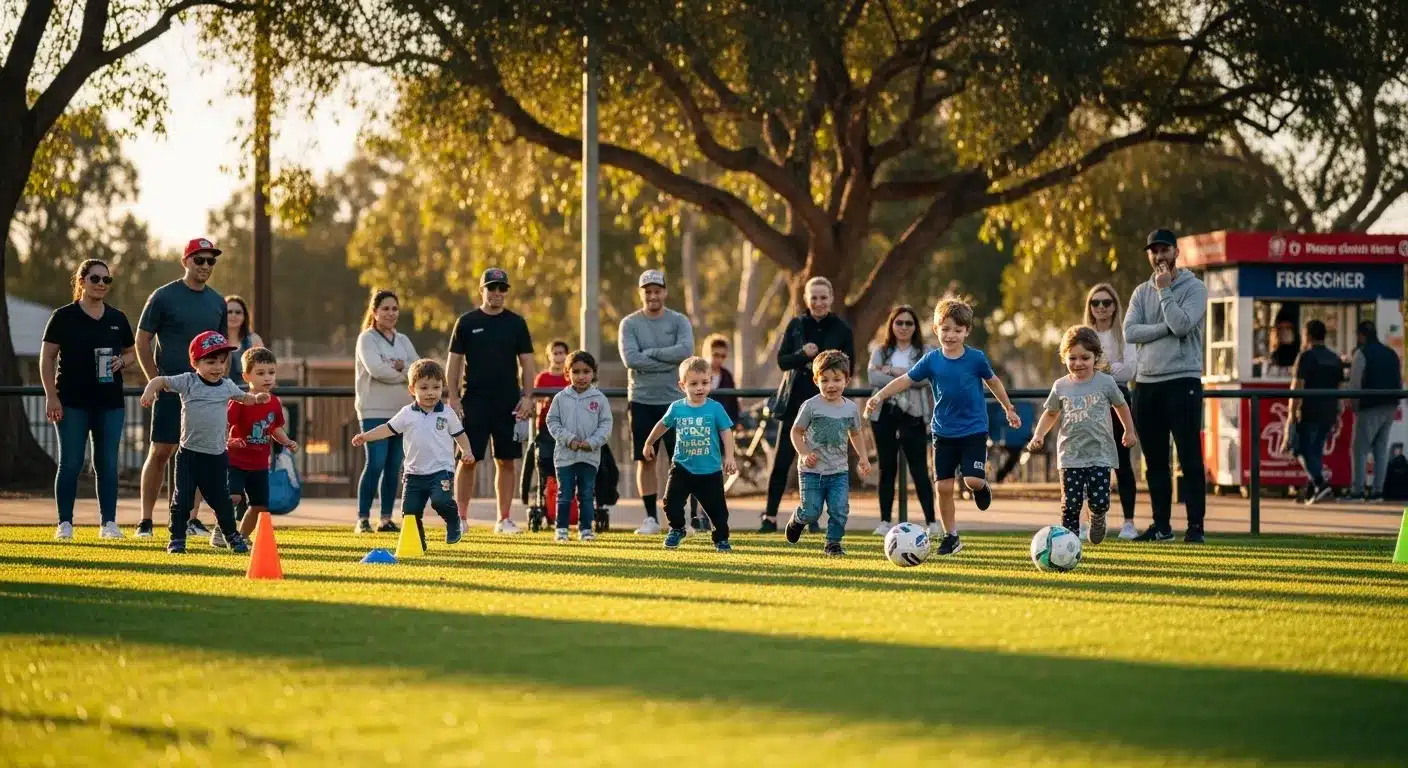
Offer a short clinic for younger players (or a keeper clinic). Keep registration straightforward and cap attendance to preserve quality. Clinics also help build goodwill in the local soccer community.
A tournament weekend can combine entry fees, sponsors, concessions, and raffles. The format succeeds when logistics are clean:
published schedule and rules
defined volunteer roles
clear payment handling
weather contingency plan
Car washes can still work, but they run smoother when supporters can also contribute through an online path. Pair it with a clear team goal and a short timeframe.
Why these work: events create visibility and momentum—especially when the organizer burden is shared across a small volunteer team.
When teams need meaningful funds—travel, tournament fees, training facilities, equipment—sponsorships can close the gap. The key is to keep sponsor benefits simple and easy to deliver.
Limit tiers and make them fulfillable. Examples:
logo on a team page or flyer
banner at one event
social thank-you posts
sponsor recognition at a clinic or tournament
Local businesses can run a short “round up your purchase” window. This works best with:
a clear start/end date
a one-page explanation the business can display
a simple thank-you plan
Why these work: sponsorships can scale revenue without relying entirely on each family’s selling effort—especially when paired with a core fundraiser.
Shorter campaigns often outperform longer ones because urgency stays intact and participation doesn’t fade.
Pick one fundraiser type and one clear goal
Assign roles: coach lead, organizer, communications helper
Share kickoff message + one repeatable script families can copy
Send one mid-week update with current progress
Remind families of the goal and deadline
Encourage each family to share with a short list of contacts
Send a final reminder with the cutoff date
Confirm next steps (delivery, results timeline, thank-you plan)
Close the campaign, share outcome, and thank supporters
A consistent timeline helps prevent the “we’ll extend it another week” trap that often leads to participation drop-off and organizer fatigue.
Youth sports teams don’t need another complicated system. They need a process that keeps fundraising manageable while the season keeps moving.
Fundraising.com supports teams across the United States and Canada with fundraising options that fit different sports, seasons, and team structures. The most important benefit for busy organizers is structure: a clearer workflow for launching, sharing, and tracking progress so fundraising doesn’t become an extra job.
If your team’s biggest challenge is staying organized through the full campaign, it helps to choose a program that:
keeps participation simple for families
reduces manual tracking and coordination
supports predictable timelines and clear results
The easiest options usually have fewer handoffs: short online donation drives, ship-to-home fundraising, or product fundraisers with clear deadlines and simple roles.
Higher-yield outcomes typically come from a structured product fundraiser, sponsor packages, or a combined approach where product fundraising is paired with sponsorships.
Keep the campaign short, use one repeatable message script, and provide progress updates that show the team moving toward a clear goal.
Online-first fundraising and ship-to-home models are often easier when supporters live in different regions, because they reduce in-person collection and distribution.
Start with your goal, pick a format that fits your team’s capacity, and keep the timeline short enough to maintain momentum. When fundraising is easier to track and simpler for families to participate in, results are easier to repeat next season.

